How we achieved 10/10 email deliverability
The steps we took — authentication, list hygiene and sending discipline — to reach a perfect deliverability score.


The criteria that matter most when you're shortlisting providers — with the things Australian businesses often overlook.
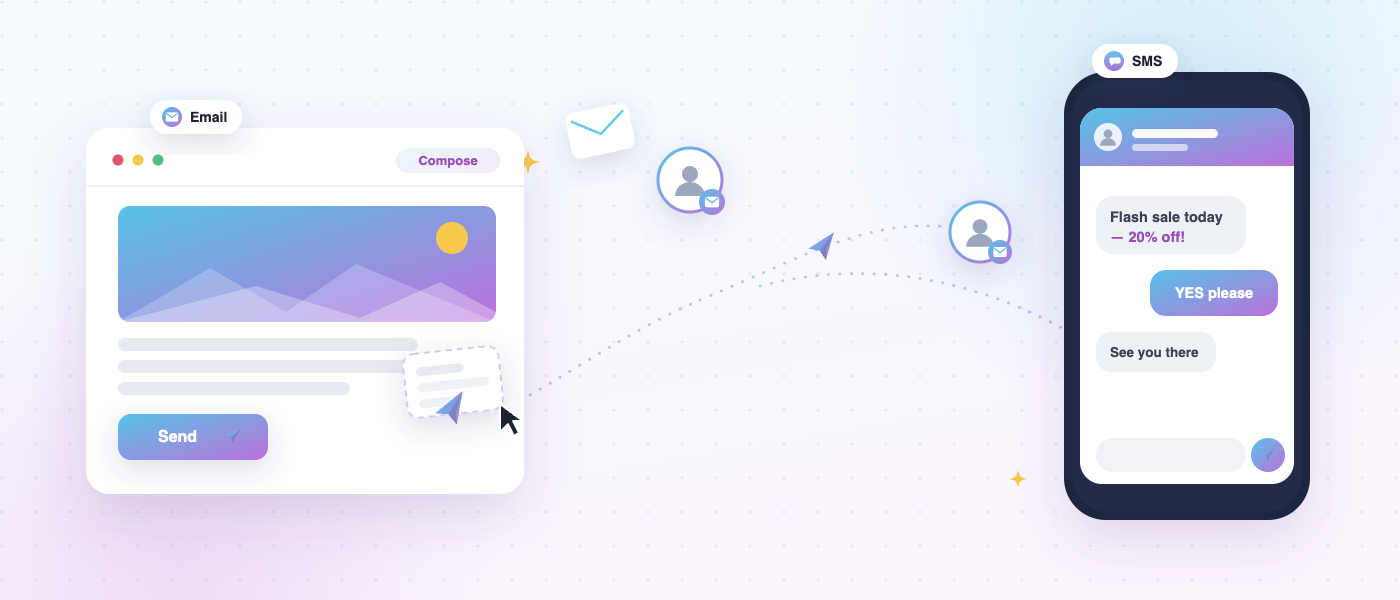
Choosing an email marketing platform is one of those decisions that feels simple until you start comparing options. Every provider promises beautiful templates, easy automation and great deliverability. So how do you tell them apart, and how do you pick the one that actually suits an Australian business?
This guide walks through the criteria that matter most when you're evaluating an email marketing platform, with a particular focus on the things Australian businesses often overlook — like where your data is stored, how pricing scales as your list grows, and what the Spam Act 2003 requires of you. Use it as a checklist when you're shortlisting providers, whether you're choosing your first platform or thinking about switching.
Before you compare a single feature, write down what you're trying to achieve. The “best” email marketing platform is simply the one that fits where your business is now and where it's heading. A sole trader sending a monthly newsletter has very different needs to a retailer running automated, behaviour‑triggered campaigns across email and SMS.
A few questions to answer first:
With those answers in hand, the criteria below become much easier to weigh up.
This is the criterion most buyers get caught out by. Two platforms can look similarly priced at sign‑up, then diverge wildly as your list grows, because they charge in fundamentally different ways.
Most of the large global platforms charge per subscriber. Every contact you add increases your monthly bill, whether or not you email them that month. That can feel fine when you have 500 contacts, but it quietly penalises you for the very thing email marketing is meant to do — grow your audience. It also creates an awkward incentive to delete contacts just to keep costs down, which can mean cutting people who'd happily buy from you again.
Other platforms charge based on the volume of messages you send, or offer flat‑rate plans. With this model, a large list that you email occasionally doesn't cost you a fortune to maintain.
eNudge deliberately uses a send‑based approach and never charges per subscriber, so your costs track the work the platform actually does for you rather than the size of your database. Whichever provider you choose, do the maths on your projected list size in twelve months, not just today's — that's where the real difference shows up.
For Australian businesses, data sovereignty is no longer a niche concern. The Privacy Act 1988 and the Australian Privacy Principles (APPs) set expectations around how you handle personal information, including when it's sent overseas. Many of the best‑known email platforms are based in the United States or Europe, and store your subscriber data on servers in those regions.
Storing data offshore isn't automatically a dealbreaker, but it does add complexity — you take on responsibility for ensuring an overseas provider handles personal information consistently with the APPs, and you may need to disclose offshore storage in your own privacy policy. For organisations in healthcare, finance, government or other sensitive sectors, local storage is often a firm requirement.
If keeping your data onshore matters to you, ask each provider directly: Where is my subscriber data physically stored? eNudge stores all data within Australia, which removes a lot of that uncertainty. It's a question worth asking early, because it can quickly narrow a long shortlist.
Australian email marketing is governed by the Spam Act 2003, and a good platform should make compliance easier rather than leaving it entirely up to you. The Act has three core requirements: you must have consent (express or inferred) before sending commercial messages, every message must clearly identify your business, and every message must include a functional unsubscribe option that's honoured promptly.
When you evaluate a platform, look for built‑in support for each of these:
A platform that handles unsubscribes automatically and keeps records of consent protects you from the most common compliance mistakes. It also protects your sender reputation, which leads to the next point.
There's no point sending beautiful emails if they land in spam folders. Deliverability — the rate at which your emails actually reach the inbox — is the single most important factor in email marketing performance, and it varies enormously between providers.
The challenge is that every platform claims great deliverability, so you need to look past the marketing. Things that genuinely affect inbox placement include the provider's sending infrastructure and IP reputation, whether they support modern authentication standards (SPF, DKIM and DMARC), how they handle the rules that Gmail and Yahoo now enforce for senders, and how proactively they manage spam complaints and bounces.
Ask whether the provider can demonstrate their deliverability with independent testing rather than just asserting it. eNudge has written about how it achieved a 10/10 deliverability score and what goes into it — the same principles apply when you're assessing any platform. It's also worth checking that the provider supports one‑click unsubscribe, which is an important factor in reputation management and inbox delivery.
SMS has extremely high open rates and is ideal for time‑sensitive messages — appointment reminders, flash sales, delivery updates. If SMS is part of your plans, a platform that handles both email and SMS in one place saves you juggling separate tools and contact lists.
Having both channels under one roof also opens up combined automations: a welcome email followed by an SMS, or an SMS reminder triggered because someone hasn't taken the required action. eNudge offers bulk SMS alongside its email marketing, with free replies that flow back into both your campaign data and a nominated inbox. Even if you don't need SMS today, it's worth knowing whether a platform can grow with you.
Automation is where email marketing moves from “sending newsletters” to genuinely working for you while you sleep. At a minimum, look for the ability to send a welcome sequence to new subscribers. More capable platforms let you build multi‑step series, trigger messages based on a contact's behaviour or a key date, and tailor content to different segments of your list.
Two features worth probing specifically:
Match the depth of automation to your needs. There's no value paying for enterprise‑grade workflow tools you'll never use — but equally, choosing a platform you'll outgrow in a year means migrating all over again.
Your emails should be readable by everyone, including people using screen readers or with vision impairment. Beyond being the right thing to do, accessible emails simply perform better because they're clearer for all recipients. Look for a platform with mobile‑responsive templates and an editor that makes good practice easy. eNudge's email campaign editor comes with a WCAG Checker and our detailed guide to accessibility in email marketing is worth reading whichever platform you land on.
On the design side, check the template library, whether there's a drag‑and‑drop editor, and how easily you can match your brand. The goal is to be able to produce a polished, on‑brand campaign quickly, without needing a designer for every send.
When something goes wrong mid‑campaign, the quality of support matters enormously. Global platforms often route support through chatbots or offshore teams in inconvenient time zones. A local provider that understands Australian conditions — and is contactable during Australian business hours — can be the difference between a quick fix and a lost day.
Ask what support is included in your plan, whether onboarding help is available, and whether you'll have access to a real person when you need one. Good support also extends to the more technical setup tasks that improve your results — for example, the eNudge team will help you configure your DKIM, DMARC and SPF records. You may also need help setting up BIMI so your logo displays alongside your emails in supporting inboxes, building brand recognition and trust.
There's no single best email marketing platform — only the best fit for your business. As you compare your shortlist, weigh each option against the criteria that matter most to you:
Work through those eight points with each provider you're considering and the right choice usually becomes clear.
eNudge was built in Australia to tick exactly these boxes — flat, send‑based pricing with no per‑subscriber charges, all data stored onshore, strong deliverability, and email plus SMS in one easy‑to‑use platform, with survey functionality included at no extra cost. If you'd like to see how it stacks up against your checklist, you can explore our email marketing features or sign up for a free account and try it for yourself.
Want more practical email and SMS marketing advice? Browse the rest of our articles in Inside eNudge.
Start free — no credit card, no contract. Your data hosted in Australia.

The steps we took — authentication, list hygiene and sending discipline — to reach a perfect deliverability score.

Real‑time tailoring of your message for targeted segments — at the moment of send.

Make sure your message reaches everyone — practical steps for accessible, inclusive email design.